Party Wall Section 2 Works: Cutting In, Raising & Rebuilding
If you plan structural work to a shared wall, you need to understand how party wall section 2 operates. This part of the Party Wall etc. Act 1996 gives building owners specific legal rights to carry out works such as cutting into walls, raising them, or rebuilding them. It also imposes strict obligations to protect adjoining owners.
This guide explains how party wall section 2 works in practice. You will see what works fall under the Act, how to manage risk, and how surveyors apply the legislation on real projects.
What is Party Wall Section 2?
Party wall section 2 sets out the rights of a building owner to carry out works to an existing party wall, party fence wall, or party structure.
In practical terms, it allows you to alter shared structures where needed for construction. These rights include:
- Cutting into a party wall
- Raising or thickening a wall
- Underpinning foundations
- Demolishing and rebuilding defective walls
- Removing projections such as chimney breasts
- Inserting flashing or weatherproofing
The legislation recognises that development often requires intervention into shared structures. It balances that right with a requirement to minimise risk and compensate neighbours.
Under the Act, these works are not optional formalities. You must follow the statutory process before starting.
Why Party Wall Section 2 Matters in Practice
Most residential and commercial developments trigger party wall section 2. Common examples include:
- Loft conversions requiring steel beams to be inserted into party walls
- Rear extensions requiring cutting into existing masonry
- Basement works involving underpinning shared walls
- Redevelopment schemes requiring demolition and rebuilding
If you ignore the Act, you expose your project to:
- Injunctions that stop work immediately
- Claims for damage
- Increased costs due to disputes
Experienced developers treat compliance as part of project risk management.
The Key Rights Under Party Wall Section 2
The Act provides a structured list of rights. Understanding these helps you identify when notice is required.
1. Cutting Into a Party Wall
This is the most common party wall section 2 work.
You can cut into a wall to:
- Insert steel beams or padstones
- Install damp proof courses
- Form openings
The law explicitly allows cutting into a party structure for any necessary purpose.
Risk management point:
Cutting into a wall introduces structural and vibration risks. Surveyors typically require method statements and temporary support details.
2. Raising a Party Wall
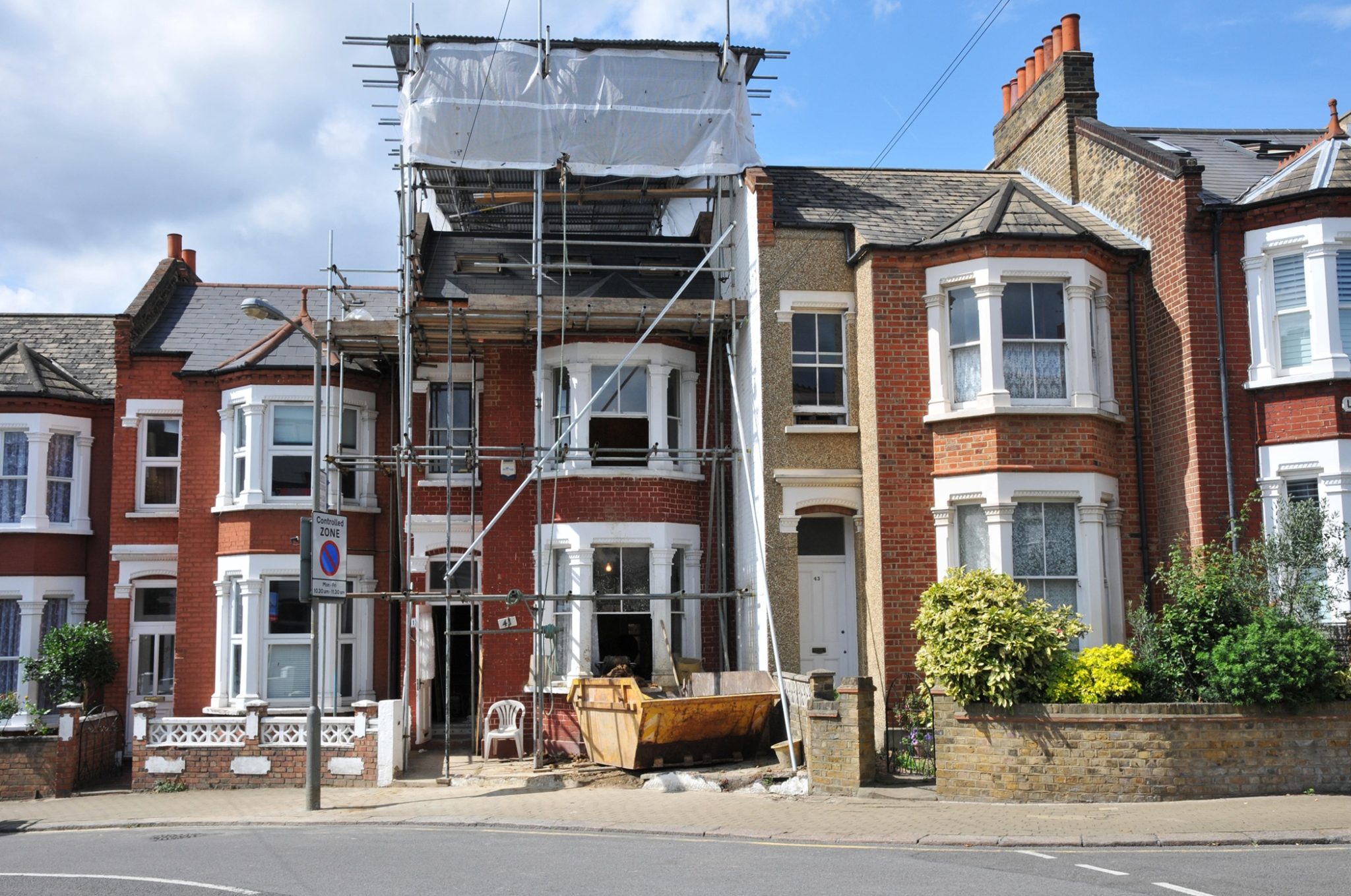
You can raise a party wall to support new development, such as:
- Loft conversions
- Additional storeys
- Roof extensions
The Act allows you to increase height, provided you:
- Make good all damage
- Maintain weather protection
- Address adjoining owner features such as chimney stacks
If the wall supports elements belonging to the neighbour, you must accommodate them.
3. Underpinning, Thickening or Strengthening
You can underpin or strengthen a wall where required.
This often arises in:
- Basement excavations
- Structural upgrades
- Load-bearing improvements
The Act allows underpinning even if the wall is not defective. However, you must:
- Avoid unnecessary inconvenience
- Protect adjoining property
- Compensate for damage
4. Demolition and Rebuilding
You can demolish and rebuild a party wall if:
- It is defective
- It lacks sufficient strength or height
- Your proposed building requires a stronger structure
The Act explicitly allows rebuilding to suit your development, even at a different thickness or height.
Important:
Surveyors will closely scrutinise demolition proposals. They require sequencing, temporary works design, and structural justification.
5. Removing Projections and Encroachments
You can remove elements that project into your land, including:
- Chimney breasts
- Footings
- Jambs or flues
This right allows you to construct flush walls and maximise developable space.
6. Weatherproofing and Flashing
You can cut into adjoining structures to install flashing or weatherproofing.
This ensures that your new wall integrates properly with the neighbour’s building.
7. Incidental and Necessary Works
The Act includes a broad provision allowing “any other necessary works” connected to the party structure.
This gives flexibility for modern construction techniques.
The Legal Process for Party Wall Section 2 Works
Understanding the process is critical. The Act sets a strict framework.
Step 1: Serve a Party Structure Notice
Before starting party wall section 2 works, you must serve a notice.
The notice must include:
- Your name and address
- Details of the proposed works
- The planned start date
You must serve this at least two months before work begins.
Step 2: Await Consent or Dissent
The adjoining owner has 14 days to respond:
- Consent. You can proceed
- Dissent. A dispute arises
- No response. Deemed dissent
Most projects proceed via dissent and surveyor appointment.
Step 3: Appoint Surveyors
If a dispute arises:
- Each party appoints a surveyor, or
- Both agree on a single surveyor
Surveyors act impartially. They do not represent clients.
Step 4: Agree a Party Wall Award
Surveyors produce a legally binding Award that covers:
- Scope of works
- Methodology
- Working hours
- Protection measures
- Access arrangements
- Making good damage
The Award also allocates costs.
Step 5: Carry Out Works
You must follow the Award precisely.
Any deviation risks dispute or legal action.
Key Obligations Under Party Wall Section 2
The rights in party wall section 2 come with strict responsibilities.
1. Avoid Unnecessary Inconvenience
You must plan works to minimise disruption.
This includes:
- Managing noise and vibration
- Sequencing works efficiently
- Maintaining neighbour access
2. Make Good Damage
You must repair any damage caused by your works.
This includes:
- Structural damage
- Cracking
- Internal finishes
Alternatively, you may pay compensation.
3. Provide Protection Measures
You must protect adjoining property through:
- Temporary supports
- Hoarding
- Weather protection
The Act requires you to maintain these measures for as long as necessary.
4. Pay Costs
In most cases, the building owner pays:
- Surveyor fees
- Construction costs
- Damage compensation
Cost sharing may apply if both parties benefit.
Practical Examples of Party Wall Section 2 Works
Loft Conversion
You install steel beams into a party wall.
This triggers:
- Cutting into the wall
- Load transfer
- Possible raising of the wall
Basement Extension
You underpin a shared wall.
This involves:
- Excavation
- Structural strengthening
- Risk to adjoining foundations
Full Redevelopment
You demolish and rebuild a party wall.
This requires:
- Temporary works design
- Structural sequencing
- Extensive surveyor oversight
Party Wall Section 2 Common Mistakes to Avoid
You see the same issues repeatedly across projects.
Starting Work Without Notice
This is the most common mistake.
It leads to:
- Immediate injunction risk
- Loss of legal protection
Underestimating Structural Risk
Party wall works often involve hidden risks.
Examples include:
- Unknown wall construction
- Weak mortar or historic damage
- Shared load paths
Poor Communication
Disputes escalate when communication fails.
You should:
- Engage early
- Share drawings
- Explain methodology
Inadequate Surveyor Input
Experienced surveyors reduce risk.
They:
- Draft robust Awards
- Identify technical risks
- Manage disputes
How Surveyors Approach Party Wall Section 2
Surveyors apply both legal and technical expertise.
They typically:
- Review structural drawings
- Assess risk to adjoining property
- Specify protection measures
- Agree monitoring regimes
They also document condition through schedules of condition.
This protects both parties if damage occurs.
Interaction with Other Parts of the Act
Party wall section 2 often overlaps with other provisions:
- Section 1. New walls at the line of junction
- Section 6. Excavation near neighbouring buildings
- Section 10. Dispute resolution
Most projects involve multiple sections simultaneously.
Strategic Advice for Developers
If you want to manage risk effectively, focus on these actions:
- Instruct a surveyor early
- Align party wall strategy with programme
- Coordinate structural and legal design
- Budget for surveyor and compliance costs
Developers who treat party wall matters as a late-stage issue often face delays.
FAQs: Party Wall Section 2
What is party wall section 2?
It is the part of the Party Wall etc. Act 1996 that gives you rights to alter shared walls, including cutting into, raising, or rebuilding them.
Do I always need a notice for section 2 works?
Yes. You must serve a party structure notice at least two months before starting work.
Can I cut into my neighbour’s wall?
Yes, if it is a party wall. The Act allows this, but you must follow the statutory process and protect the neighbour’s property.
Who pays for party wall section 2 works?
Usually the building owner pays. Costs may be shared if both parties benefit.
What happens if my neighbour refuses?
A dispute arises. Surveyors resolve it through a Party Wall Award.
Can I rebuild a party wall?
Yes. The Act allows demolition and rebuilding where necessary for your development.
What if I cause damage?
You must repair the damage or compensate the adjoining owner.
Can I start work without an Award?
Only if the neighbour consents. Otherwise, you must wait for the Award.
Conclusion: Why Party Wall Section 2 Requires Careful Management
Party wall section 2 gives you powerful rights to carry out structural works. It enables development in dense urban environments where buildings share walls and structural elements.
However, these rights come with strict obligations. You must follow the notice process, manage risk, and protect adjoining owners at every stage.
If you approach party wall section 2 strategically, you reduce delays, control costs, and avoid disputes. If you ignore it, you risk injunctions, claims, and programme failure.
For developers, architects, and property owners, the message is clear. Treat party wall matters as a core part of project planning, not an afterthought.
If you are planning works that fall under party wall section 2, you should take advice early. A structured approach will save time, reduce risk, and keep your project moving.
Contact – Party Wall Section 2
Need help or advice with a Party Wall matter? Contact Anstey Horne’s experienced surveyors for expert guidance and peace of mind on your next construction project.
For advice direct from one of our Surveyors, please call our Enquiry line on 020 4534 3135.
If you would rather we called you instead, please fill in our Contact form and we will be in touch.
For a quick online quote for Party Wall advice, send us the details of your project.
For more articles on all aspects of the Party Wall Act see our blog.
For advice direct from one of our Surveyors, please call our Enquiry line on 020 4534 3135.
If you are planning work that is covered by the Act, or if you have received notice of work from a neighbour and want advice on how best to protect your property please contact:
Link: Contact Us
Team members shown:
- Geoffrey Adams
- Rickie Bloom
- Holly Harris
- Henry Woodley